The evidence behind the documentaries.
Latest articles
All articles →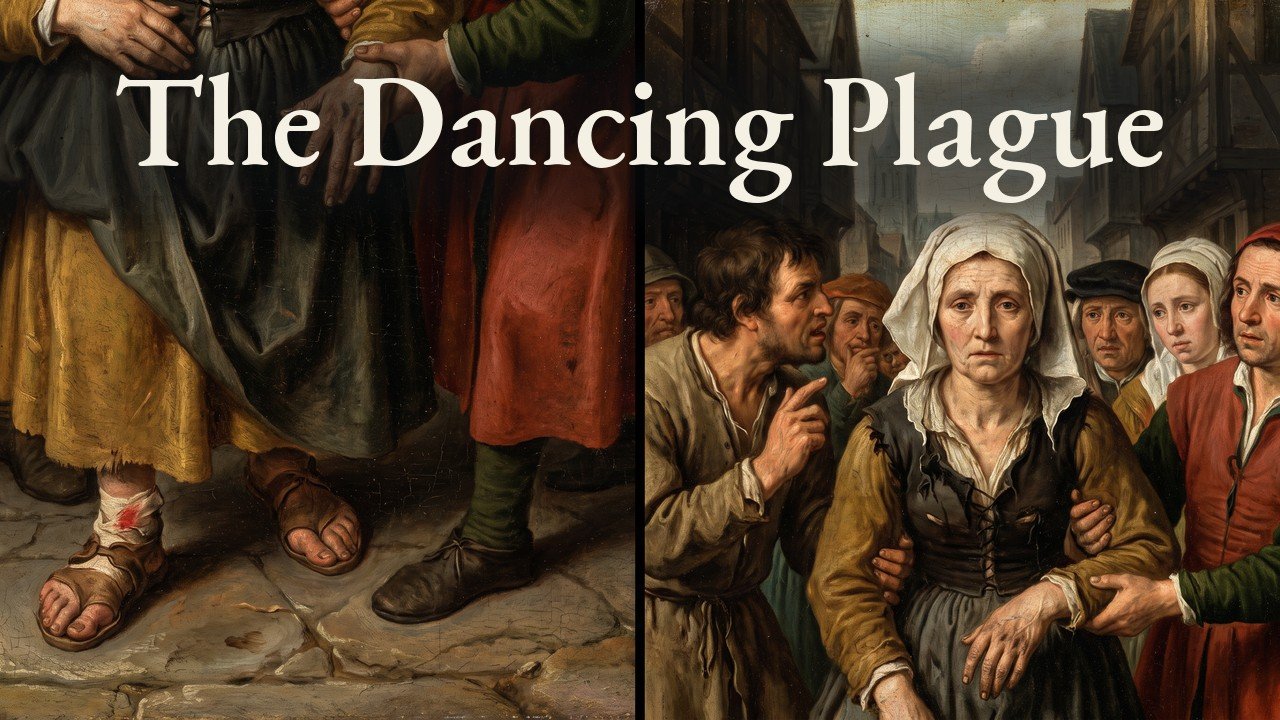
The Dancing Plague of Strasbourg: What the Record Actually Says
Hundreds danced in a Strasbourg market until the raging subsided of itself. Nearly everything else in the famous story - the woman who started it, the guild halls, the hired musicians - comes from somewhere other than the chronicle.
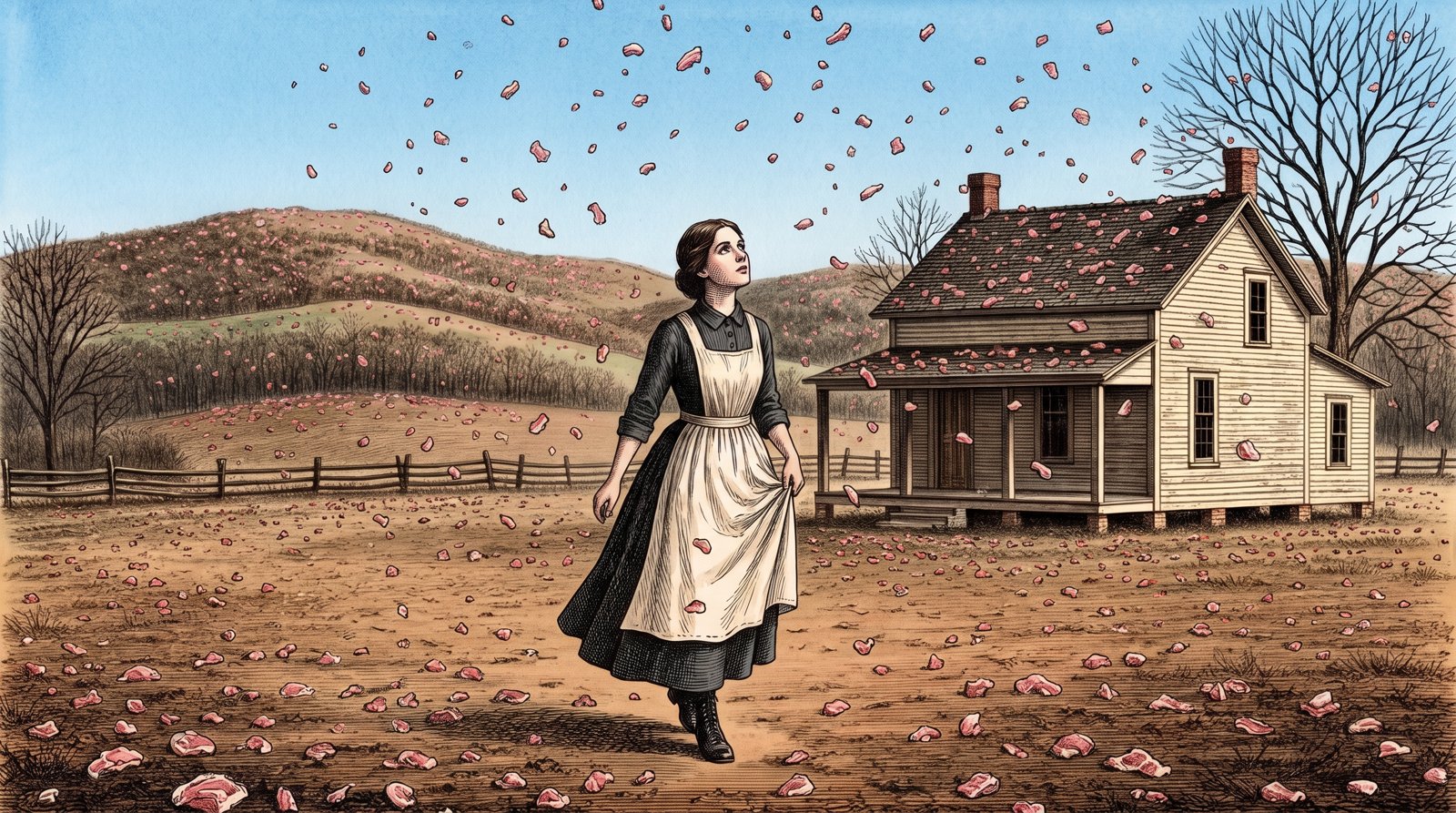
Meat Fell From a Clear Kentucky Sky in 1876
Samples went from a Bath County farmyard to Louisville, Lexington, Philadelphia, Brooklyn and New York. The microscopes came back with three different answers. By June one journal said what it was had stopped being an open question — and that where it came from had not.
Some stories survive because nobody has been able to explain them. A ship found under sail with nobody aboard. A copper scroll listing treasure that has never been found. An object made by the hundred across the Roman empire that no Roman writer ever mentions.
Riddled History is a documentary channel about those stories, and this is where the evidence behind them lives.
Why this site exists
A film has to keep moving. It can tell you that a consul wrote to Washington in 1873, but it cannot show you the despatch, walk you through the three official documents that give three different positions for the same event, or explain why the fourth source everyone quotes turns out to be a misprint of the third.
So every documentary gets a written companion here, going into what the video had to leave out:
- the sources themselves — the scans, the catalog references, where each one is held
- how each conclusion was actually reached, and which claims rest on a single witness
- what was searched for and never found, because a sweep that comes back empty is a real finding and usually an expensive one
- where the record simply disagrees with itself, presented as a disagreement rather than resolved by picking a favorite
Each article is written from the research record and checked against it before it is published, and each has a sources page beside it where every claim it rests on is set out with the source that makes it, in that source’s own words.
The standard
A story earns a place here when the ordinary explanation has been tried against the evidence and does not hold — not merely because it is unsolved. Where something is genuinely unknown, it is left unknown. Where a source is a single person’s testimony, it is described as one person’s testimony. The mysteries are interesting enough without help.